


Mar 18th 2026
How to Buy a Suppressor in 2026: A Complete Step-by-Step Guide
Buying a suppressor legally in the United States involves six steps: select your suppressor, choose a licensed SOT dealer, create an ATF eForms account at eforms.atf.gov, complete ATF Form 4 with your dealer, wait for ATF approval (often under 30 days with eForm 4), then pick up your suppressor. You must be at least 21, live in a state where suppressors are legal, and pass a background check. The NFA tax stamp fee, which was previously $200, is currently $0.
Mention suppressors in conversation and you will almost always hear the same question: "Aren't those illegal?" It is one of the most common misconceptions in the firearms world, and it is completely false.
Suppressors are legal to own in 42 U.S. states. Millions of Americans have purchased them legally, and in 2026, the process has never been easier or more affordable. The NFA tax stamp fee that used to cost buyers $200 is currently $0, and what once took up to nine months to approve now typically wraps up in under 30 days.
This guide walks you through every step of the process, from choosing the right model to picking it up at your dealer, so you know exactly what to expect.
Suppressor vs. Silencer: Is There a Difference?
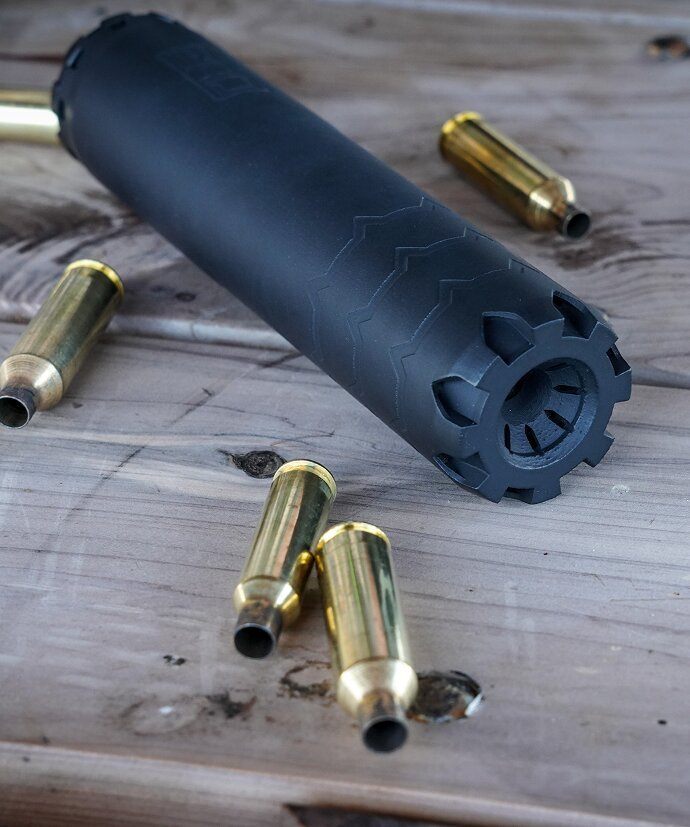
No. A suppressor and a silencer are the same thing. Both words describe the same device: a cylindrical attachment that fits onto the barrel of a firearm and reduces the noise, gas, and concussive force produced when it is fired.
"Silencer" is actually the older term. It was the word used when Hiram Percy Maxim patented the first commercially produced version back in 1909, and it is still the term written into the National Firearms Act today. "Suppressor" came into wider use later because it is a more accurate description of what the device actually does. It does not silence a firearm. It suppresses the sound, bringing it down to a more manageable level rather than eliminating it entirely.
In practice, both words are used freely across the firearms industry, by dealers, manufacturers, and shooters alike. Throughout this guide, you will see us use both. Either way, we are talking about the same piece of equipment.
Are Suppressors Legal in the United States?
Yes. Suppressors are legal to purchase and own in the majority of U.S. states. They are regulated under the National Firearms Act (NFA) of 1934, which requires that all suppressor transfers be registered with the Bureau of Alcohol, Tobacco, Firearms and Explosives (ATF) and approved before the buyer takes possession.
This federal registration requirement is what makes the process feel complicated to first-time buyers. But regulation is not the same as prohibition. The NFA process adds paperwork and a waiting period. It does not block law-abiding citizens from owning a suppressor.
States Where Suppressors Are Currently Illegal
Suppressors cannot be legally owned by civilians in the following states (as of 2026):
- California
- Delaware
- Hawaii
- Illinois
- Massachusetts
- New Jersey
- New York
- Rhode Island
- Washington D.C.
If you live in any of these places, you are not eligible to purchase a suppressor. In all other U.S. states, civilian suppressor ownership is fully permitted under federal and state law.
Who Can Buy a Suppressor?
To purchase a suppressor, you need to meet all of the following requirements:
- Be at least 21 years of age
- Be a U.S. citizen or legal permanent resident
- Live in a state where suppressors are legal
- Be able to pass a federal FBI background check
- Not be a prohibited person under federal firearms law
If you can legally purchase a handgun, you can almost certainly purchase a suppressor. The eligibility criteria are largely the same; the NFA registration process is what gets added on top.
The 6-Step Suppressor Buying Process
Here is exactly how the suppressor purchase process works from start to finish. We will cover each step in detail so you walk in knowing precisely what to expect.
Select Your Suppressor
The first step is choosing the suppressor that fits your firearm and how you plan to use it. Unlike a standard firearm purchase, compatibility matters a lot here. Not every suppressor works with every gun, so it is worth taking a few minutes to research before you add one to your cart.
Key factors to consider when selecting a suppressor:
- Caliber compatibility: make sure the suppressor is rated for your cartridge
- Rifle or pistol platform: different platforms have different mounting needs
- Mounting system: direct thread and quick-detach (QD) systems each have their own trade-offs
- Size and weight: longer suppressors are generally quieter, while lighter ones put less weight at the muzzle
- Material: stainless steel, titanium, and aluminum suppressors each handle durability, weight, and price differently
Once you have selected your model, add it to your cart and proceed to checkout.
Select a Licensed NFA Dealer
Suppressors cannot be shipped directly to you. Under the NFA, all suppressor transfers must go through a federally licensed dealer who holds a Special Occupational Tax (SOT) designation. These are commonly called SOT dealers or Class III dealers.
During the checkout process, you will be prompted to select a dealer near you by entering your ZIP code. Your SOT dealer will:
- Receive your suppressor at their licensed location
- Help you complete all required ATF paperwork
- Submit your eForm 4 through the ATF eForms system
- Keep you updated and notify you when your ATF approval comes in
- Complete the final in-person transfer to you
Create Your ATF eForms Account
Before your Form 4 can be submitted, you need to register for a free account on the ATF's electronic filing portal:
When you register, the system assigns you an ATF-generated username. For example, John Smith would become JSMITH12345. You will also create a password and a 4-digit PIN.
Your username and PIN are both required to certify and submit your Form 4, so treat them the way you would a banking password.
Complete ATF Form 4
ATF Form 4 (formally titled the "Application for Tax Paid Transfer and Registration of Firearm") is the legal document that transfers an NFA item from a dealer to a civilian owner. Your SOT dealer will guide you through the entire submission, which includes:
- Fingerprints (rolled or scanned)
- Passport-style photograph
- FBI background check
- Personal and responsible-person information
Two Ways to Submit Form 4
| Method | How It Works | Best For |
|---|---|---|
| In-Store Dealer Submission | Your dealer collects your fingerprints and photo and submits the eForm 4 on your behalf. | Buyers who want a guided, hands-on experience |
| Silencer Shop Kiosk | A self-service kiosk that scans fingerprints, captures your photo, and submits paperwork electronically. Your information is saved on file for future NFA purchases. | Buyers who plan to purchase multiple NFA items over time |
Wait for ATF Approval
Once your Form 4 is submitted through the ATF eForms system, the government begins processing your application. This involves:
- FBI criminal background check
- Review of your application information
- Registration of your suppressor's serial number to you
- Issuance of your digital tax stamp and approval notification
How Long Does ATF Approval Take?
This is the question every new buyer asks, and the news is good. Electronic Form 4 submissions have cut wait times considerably from what they used to be:
| Submission Method | Typical Wait Time |
|---|---|
| Paper Form 4 (legacy) | 6 to 9 months |
| Electronic eForm 4 (current) | Under 30 days for most applications; some approve within a week |
Your dealer will receive the ATF approval notification and reach out as soon as your suppressor is cleared for pickup.
Pick Up Your Suppressor
When your ATF Form 4 is approved, the ATF sends a digital approval notification to both you and your dealer. At that point, contact your dealer to schedule a pickup time.
At pickup, you will need to:
- Present a valid government-issued photo ID
- Complete a Form 4473 (the standard firearm transfer form used at all licensed dealers)
- Take possession of your approved suppressor
Why Own a Suppressor? The Real Benefits
Hollywood has given suppressors an unfair reputation. The reality is far less dramatic and a lot more practical. Here is what owning one actually looks like:
- Hearing protection: gunfire regularly exceeds 140 dB, well above the level that causes permanent hearing damage. A suppressor brings that down to a much safer range for you and anyone shooting nearby.
- Less muzzle blast: every shot produces less concussive force, which makes a real difference on indoor ranges and in confined spaces.
- Reduced recoil: the gas management inside a suppressor also takes some of the felt recoil off the shooter.
- Better accuracy: less noise means less flinching, which helps everyone from beginners working on fundamentals to experienced shooters tightening their groups.
- Courtesy to your neighbors: quieter shooting at outdoor ranges or on rural land goes a long way toward reducing complaints and keeping access open.
- Communication on the range: you can actually hear your range partner or hunting buddy without pulling your ear protection off every few minutes.
Suppressors do not make firearms silent. What they do is make shooting safer, more comfortable, and more considerate of the people around you. That is a benefit whether you are picking up a gun for the first time or you have been shooting for decades.
Frequently Asked Questions About Buying a Suppressor
These are the questions we hear most often from buyers going through the process for the first time.
Yes. Suppressors are legal to own in 42 U.S. states. They are regulated under the National Firearms Act (NFA), which requires federal registration and ATF approval, but they are not prohibited for law-abiding civilians. The states where suppressors remain illegal are California, Delaware, Hawaii, Illinois, Massachusetts, New Jersey, New York, Rhode Island, and Washington D.C.
There is no difference. A suppressor and a silencer refer to the exact same device. "Silencer" is the term used in the National Firearms Act, while "suppressor" has become more common in the industry because it better describes what the device actually does. Both words are correct and used interchangeably.
The NFA tax stamp fee for a suppressor transfer is currently $0. It was previously $200. This change has made suppressors more accessible for buyers who were put off by the additional cost, and it makes right now a particularly good time to purchase.
With an electronic Form 4 (eForm 4) submission, most applications are now approved in under 30 days. Some have been approved in as little as a week. The old paper Form 4 process used to take 6 to 9 months, but the eForms system has cut that timeline considerably for most buyers.
ATF Form 4 is the official application used to legally transfer an NFA item, including a suppressor, from a dealer to a civilian buyer. It documents the transfer, registers the serial number to the new owner, and includes an FBI background check. Without an approved Form 4, a suppressor cannot legally change hands. Your licensed SOT dealer handles the submission through the ATF eForms system on your behalf.
No. Civilian suppressor ownership does not require any special license. You need to be at least 21 years old, live in a state where suppressors are legal, pass a federal background check, and complete the NFA Form 4 registration process. If you can legally purchase a firearm, you can almost certainly purchase a suppressor.
The ATF eForms account is a free account on the ATF's electronic filing portal at eforms.atf.gov. It is required to certify and submit your Form 4. When you register, you will receive an ATF-generated username, set a password, and create a 4-digit PIN. You will need your username and PIN during the Form 4 submission process, so keep them somewhere you can easily find them.
It is strongly recommended. Keep a copy of your approved Form 4 with your suppressor whenever you transport it outside of your home. The approved Form 4 is your proof of legal NFA registration and ownership. Many suppressor owners keep a digital copy on their phone alongside a physical copy stored with the suppressor itself.
Yes, you can purchase a suppressor online, including through 2A Daddy's website. The suppressor cannot be shipped directly to your home, though. During checkout, you will select a licensed SOT dealer near you. That dealer receives the suppressor, handles the ATF paperwork, and completes the legal transfer to you once your Form 4 is approved.
A Silencer Shop kiosk is a self-service station available at many licensed dealers. It scans your fingerprints, captures your passport-style photo, and submits your NFA paperwork electronically. It also stores your information on file, so future NFA purchases go much faster. Many dealers partner with Silencer Shop to offer this option in-store.
The Tax Stamp Is $0. Now Is the Time to Buy.
Browse our full lineup of suppressors. Every model ships to a licensed dealer near you, and we handle your ATF paperwork from start to finish. Pick your suppressor and we take it from there.
Shop Suppressors at 2A DaddyThe Bottom Line
Buying a suppressor in the United States is a legal, manageable process that millions of Americans have gone through. The NFA registration adds steps that a regular firearm purchase does not have, but with electronic filing, the wait has come down from months to weeks for most people. And with the tax stamp currently at $0, the timing has never been better.
The six steps are: select your suppressor, choose a licensed SOT dealer, create your ATF eForms account, complete Form 4 with your dealer, wait for ATF approval, and pick up your suppressor. That is it.
At 2A Daddy, we guide buyers through every step of this process. If you choose us as your dealer, we handle the entire submission in-house. And if you have questions at any point along the way, our team is just a phone call away.
Ready to pick your suppressor? Browse our full lineup at 2A Daddy and get started today. Have questions along the way? Call us at 615-845-9127.
About the Author
Vincent Capo is the Head of Growth and SEO Strategist at 2A Daddy, a Tennessee-based firearm dealer and suppressor manufacturer dedicated to protecting Second Amendment rights through education, advocacy, and world-class products.